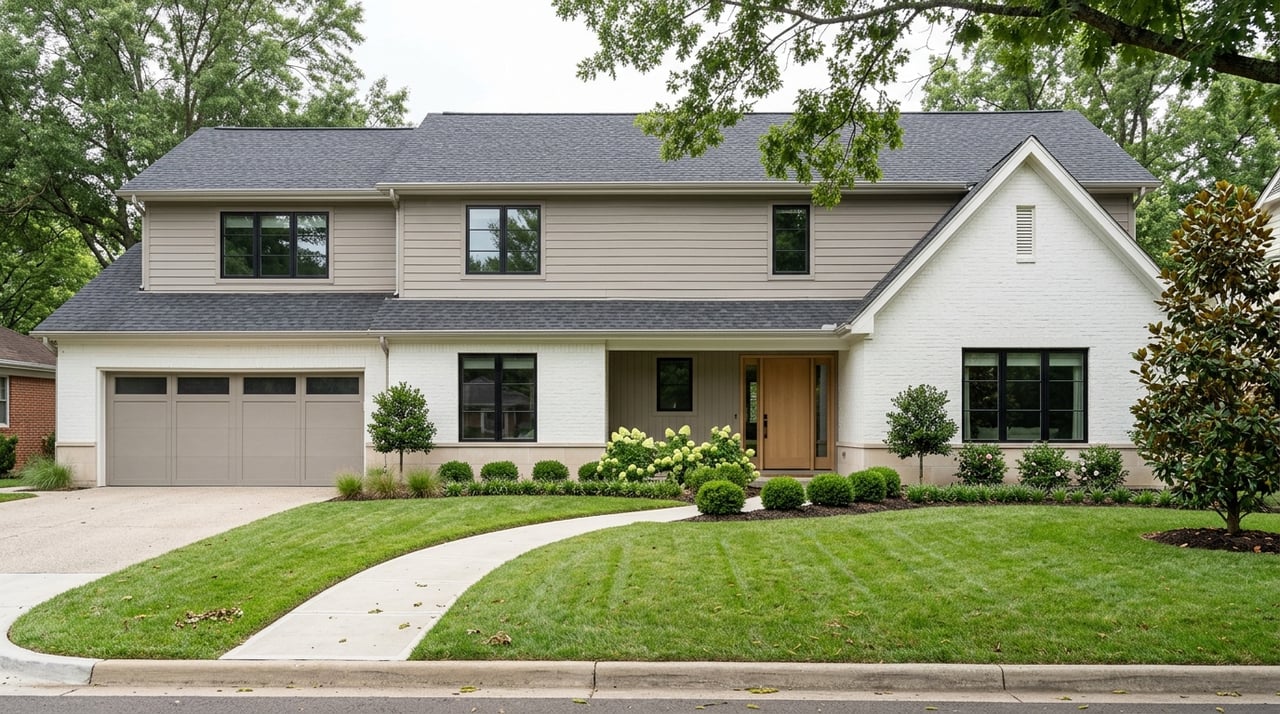
If you already love Ballantyne, moving up does not always mean moving away. For many homeowners, the smarter next step is upgrading within the area while keeping the lifestyle, convenience, and local connections that already work for you. If you are planning a move-up purchase in Ballantyne, the key is to build your plan around real numbers, local submarkets, and North Carolina contract rules before you list or start touring. Let’s dive in.
Start With Your Real Equity
A move-up plan works best when you begin with your net equity, not a hopeful list price. Equity is the difference between your home’s value and what you still owe on your mortgage, but your usable proceeds will also depend on selling costs, closing costs, and the timing of your purchase.
That is why the first question is not, “How much house do I want?” It is, “How much cash will I likely have available after my sale closes?” When you answer that first, your search becomes more focused and much less stressful.
What to include in your move-up math
Before you make an offer on your next home, estimate:
- Your likely sale price
- Your current mortgage payoff
- Selling expenses and closing costs
- Buyer-side closing costs on the next purchase
- Due diligence fee exposure on the home you want to buy
- Earnest money needed for the purchase
- Cash reserves for overlap, moving, and repairs
In North Carolina, due diligence money deserves special attention. The due diligence fee is negotiated, paid directly to the seller by the effective date, credited at closing if the transaction succeeds, and is generally retained by the seller if you terminate during the due diligence period unless the seller materially breaches the contract.
Ballantyne Is Not One Price Point
One of the biggest mistakes move-up buyers make is treating Ballantyne like a single market. It is better understood as a collection of micro-markets, and current pricing shows why that matters.
In March 2026, Ballantyne East had a median sale price of $652,500 and a median 96 days on market. Ballantyne West had a median sale price of $435,000 and a median 52 days on market. Those are meaningful differences for both your sale strategy and your purchase options.
Why micro-market differences matter
If you are selling in one part of Ballantyne and buying in another, your move-up gap may be larger or smaller than you expect. A homeowner moving from Ballantyne West into a higher-priced pocket may face a much bigger monthly payment jump than someone moving within Ballantyne East.
This is also why pricing your current home correctly matters. Charlotte-area inventory has loosened compared with recent years, with nearly 11,800 homes for sale and 3.2 months of supply reported in April 2026. Buyers have more options, and 22.8% of listings in the Charlotte-Concord-Gastonia area saw price reductions in May 2026, so clean pricing and strong preparation still matter.
Decide: Sell First, Buy First, or Close Simultaneously
Most move-up purchases fall into one of three timing strategies. The right fit depends on your available equity, your reserves, and whether your lender supports a bridge or similar temporary financing structure.
A calm plan starts with understanding the tradeoffs of each path rather than trying to force one timeline.
Option 1: Sell first
Selling first usually gives you the clearest budget. You know your exact proceeds, reduce the risk of carrying two homes, and can make your next purchase with more confidence.
The tradeoff is convenience. You may need temporary housing or a flexible closing plan if you do not want to rush into your next purchase.
Option 2: Buy first
Buying first can help you avoid a rushed move and gives you more control over finding the right fit. This option can work well if you have strong equity, healthy reserves, or access to an approved financing structure.
Fannie Mae guidance allows bridge or swing loans in some cases if they are not cross-collateralized against the new property and if the lender documents that you can carry the current home payment, the new home payment, the bridge loan, and your other obligations. In simple terms, your lender needs to be comfortable that the whole picture works, not just the new mortgage.
Option 3: Simultaneous close
A same-day or tightly coordinated sale and purchase can reduce overlap and help you move once. On paper, it often looks like the cleanest solution.
In practice, it requires strong coordination and backup planning. Even small delays can create stress, which is why details like lender readiness, attorney scheduling, and contract timing matter so much.
Factor In Monthly Carrying Costs
Purchase price is only part of the move-up decision. Your monthly ownership cost can change more than expected once you add taxes, insurance, utilities, and HOA dues.
In Mecklenburg County, the county tax rate is 49.27 cents per $100 of value. The City of Charlotte FY2026 total tax rate is 27.41 cents per $100, for a combined 76.68 cents per $100 of value.
On a $600,000 home, that works out to about $4,600.80 per year in property taxes before other costs like water, sewer, stormwater, and HOA dues. Mecklenburg County also states that real estate taxes are based on the property’s January 1 value and are due September 1.
Rates still affect the move-up equation
Mortgage rates are also a real part of the planning math. Freddie Mac reported the 30-year fixed rate at 6.48% on June 4, 2026.
That matters even more if you may carry two homes for a period of time. A move-up purchase that looks comfortable on purchase price alone can feel very different once you model the payment, taxes, and temporary overlap together.
Understand North Carolina Due Diligence
If you are moving up in Ballantyne, North Carolina contract mechanics should shape your strategy from the start. The due diligence period is the buyer’s window for inspections, appraisal, title review, loan qualification or application, and repair negotiation.
The due diligence fee and earnest money are separate. Earnest money becomes more exposed after the due diligence period ends, which is one reason timing and decision-making during that window matter so much.
What this means for move-up buyers
When you are juggling a sale and a purchase, you want to avoid avoidable contract risk. That means reviewing your financing early, understanding how much due diligence money you are comfortable putting at risk, and lining up your inspection and review timeline as soon as you go under contract.
This is also why preparation before listing can make a move-up feel far less chaotic. If your financing, likely net proceeds, and target budget are already mapped out, you can move much faster when the right home appears.
Check HOA Rules and Required Disclosures
Many Ballantyne properties are in communities with owners’ associations or mandatory covenants. North Carolina law requires an owners’ association and mandatory covenants disclosure when applicable, and those disclosures can include regular dues, special assessments, pending lawsuits, transfer fees, and other material details.
The Residential Property Disclosure Statement can also cover items such as water and sewage systems, structural components, mechanical systems, wood-destroying insects, zoning and land-use restrictions, and environmental conditions. For a move-up purchase, these are not small details. They directly affect cost, use, and risk.
Why these details matter early
If you are comparing homes with similar price tags, HOA structure and property condition can be the deciding factors. One home may fit your budget comfortably, while another may bring added dues, transfer fees, or maintenance concerns that change the picture.
Getting those details reviewed early helps you make a better financial decision and protects your timeline. It also helps you compare options on a true apples-to-apples basis.
Verify School Assignment by Address
If school assignment is part of your move-up decision, verify it by the exact property address before you make an offer. Charlotte-Mecklenburg Schools assigns each student to a specific home school based on the residential address, updates boundaries as growth and new construction require, and only guarantees placement at the assigned school.
That means a street name or neighborhood label is not enough. Address-level verification matters.
Keep this step simple
When you narrow your search, check each address through the current CMS assignment tools and maps before you commit. This step is especially important in areas with ongoing growth, where boundaries can change over time.
Even if a home seems perfect in every other way, you want full clarity on assigned-school logistics before your due diligence clock starts running.
Prepare Before You List
A low-drama move-up purchase usually starts weeks before your home hits the market. The more you handle upfront, the more confident and flexible you can be once you begin negotiating both sides of the move.
Ballantyne’s appeal also continues to grow, with destinations like The Bowl at Ballantyne and expanded greenway connections linking Ballantyne Corporate Place, Stream Park, TD Amp Ballantyne, and more than 20 miles of walking paths and bike lanes. For many homeowners, that makes staying local and moving up within the area an attractive long-term choice.
Your pre-list move-up checklist
Before you list, aim to:
- Estimate your realistic net proceeds
- Talk with your lender about buy-first, sell-first, or bridge scenarios
- Set a comfortable monthly payment range, not just a price ceiling
- Review tax, HOA, and utility expectations for your target price point
- Identify your preferred Ballantyne micro-markets
- Verify address-specific school assignments for any serious options
- Plan for attorney involvement early in the process
North Carolina requires a licensed North Carolina attorney to supervise a residential real estate closing and perform services that constitute the practice of law for North Carolina real property. In a move-up transaction, bringing the closing attorney into the process early can help keep timelines and documents on track.
The Right Move-Up Plan Is Personal
There is no single right way to move up in Ballantyne. The best strategy depends on your equity, your risk tolerance, your cash reserves, and how much timeline flexibility you have.
What does stay consistent is the value of planning ahead. When you understand your real numbers, compare Ballantyne by micro-market, and build around North Carolina’s contract structure, you give yourself a much better chance of making a smart, smooth move.
If you want a calm, strategic plan for your Ballantyne move-up purchase, Morey Realty Group can help you map the numbers, timing, and next steps with clarity.
FAQs
How much equity do you need for a move-up purchase in Ballantyne?
- You need enough usable equity to cover your mortgage payoff, selling costs, buyer closing costs, due diligence money, earnest money, and any cash reserve needed for overlap between homes.
Should you sell first or buy first for a Ballantyne move-up home?
- Selling first usually gives you the clearest budget, while buying first may offer more convenience if you have strong equity, reserves, or lender-approved temporary financing.
How does due diligence money work in a North Carolina move-up purchase?
- In North Carolina, the due diligence fee is negotiated, paid directly to the seller by the effective date, credited at closing if the sale succeeds, and generally retained by the seller if the buyer terminates during the due diligence period.
Why do Ballantyne micro-markets matter for a move-up plan?
- Ballantyne pricing and market pace can vary significantly by area, so your selling power and buying budget may look very different depending on which part of Ballantyne you are leaving and where you want to buy.
Why should you verify school assignment before buying a Ballantyne home?
- Charlotte-Mecklenburg Schools assigns students by residential address and only guarantees placement at the assigned school, so you should confirm assignment by the exact property address before making an offer.
What should you do before listing your current Ballantyne home?
- Before listing, estimate your net proceeds, review financing options with your lender, set a realistic payment range, identify target micro-markets, verify school assignments for serious homes, and bring your closing attorney into the process early.
